
In a presentation at AIHA Connect 2024, U-M and Exposure Lab alum Benjamin Roberts (PhD ‘17) described one potential practical application of ChatGPT: to read and summarize OEHS regulations. Learn more about Benjamin’s conclusions in the AIHA article.
Category Archives: 2024
Your earbuds and you: What all that listening is doing to us
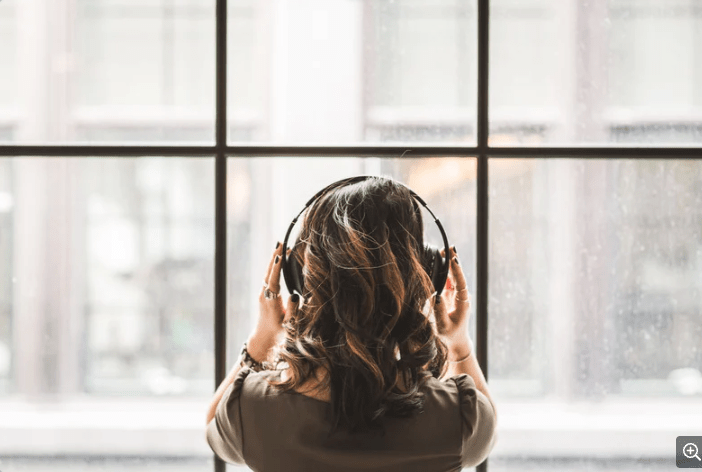
One of the most insidious sources of noise exposure today is our technology, namely earbuds and headphones. U-M exposure scientist Rick Neitzel said in an interview on NPR’s Body Electric that he has often been asked, “I don’t want to harm my hearing, is there anything I can do? The good news is, there is.”
Europe’s noise capital tries to turn down the volume

To combat the ill effects of urban noise pollution, Paris is deploying automated sensors and cracking down on the loudest vehicles. Read the article in Bloomberg.
Too much noise can harm more than just our ears

Loud sounds are a major environmental source of health problems. Emerging research is uncovering how noise affects the brain, and everyday sources of loud sounds are linked to stress, poor sleep, learning problems, and even heart disease.
Quiet, please! Noise hurts much more than our ears

An article in Scientific American explores the many impacts of noise on our physical and mental health. U-M researcher Rick Neitzel, who leads the Apple Hearing Study, is among the experts who discuss the impacts of noise on health and well-being and what people can do to lessen their noise exposure.
Exposure Research Lab works to help informal e-waste recyclers

Discarded laptops, smartphones, and other forms of e-waste contain substances that are harmful to people and the environment. Globally, an unknown amount of e-waste is recycled informally, often in people’s homes, without occupational and environmental safeguards. The Exposure Research Lab has been studying how to make this informal recycling work safer.
Michigan Public Health ranks among top 5 schools of public health

The University of Michigan School of Public Health has been ranked #5 in a national list of the best public health schools. U.S. News and World Report also issued new rankings of five specialty fields within public health: biostatistics, environmental health sciences, epidemiology, health policy and management, and social and behavioral sciences.
Xin Zhang selected for prestigious Johns Hopkins mentoring program
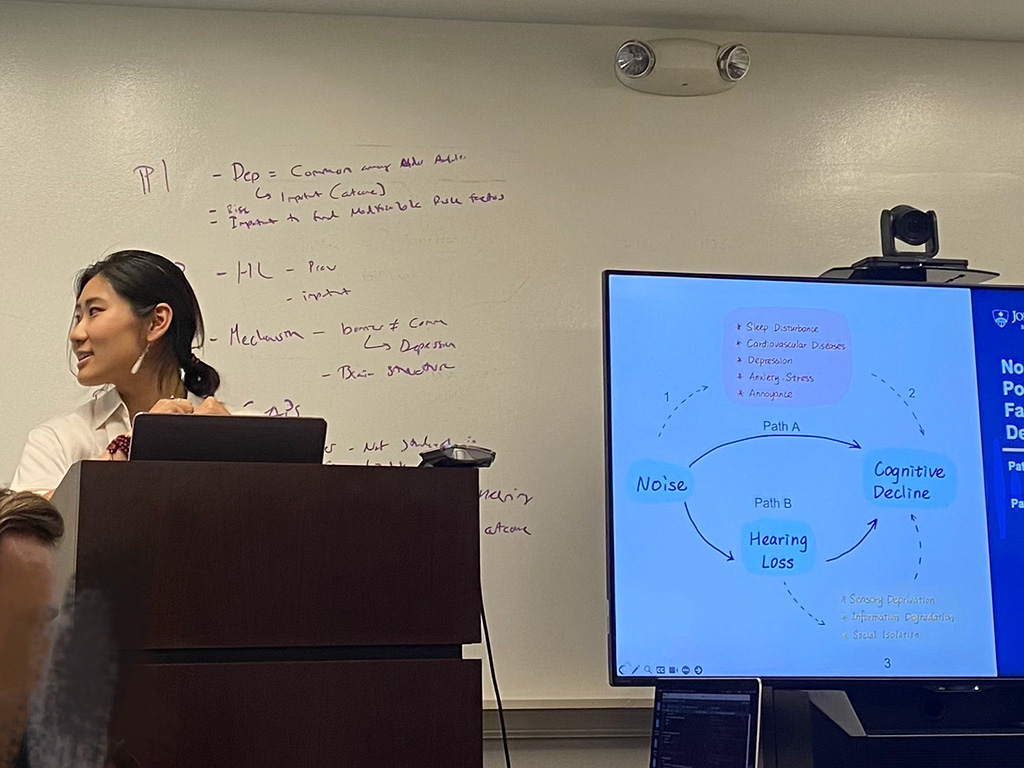
PhD candidate Xin Zhang was selected to participate in the Johns Hopkins Cochlear Center Hearing and Aging Mentoring Program. The program brings together students early in their doctoral training from audiologic, medicine, and public health programs for an intensive, multidisciplinary program each summer.
Workers in different industries describe the impact of hearing loss

Workers are often exposed to hearing hazards, including loud noise and chemicals that can damage hearing. These exposures can lead to hearing problems including hearing loss and ringing in the ears, or tinnitus. In two new videos, workers describe the impact of hearing loss on their quality of life.
Reducing noise pollution can help protect physical health
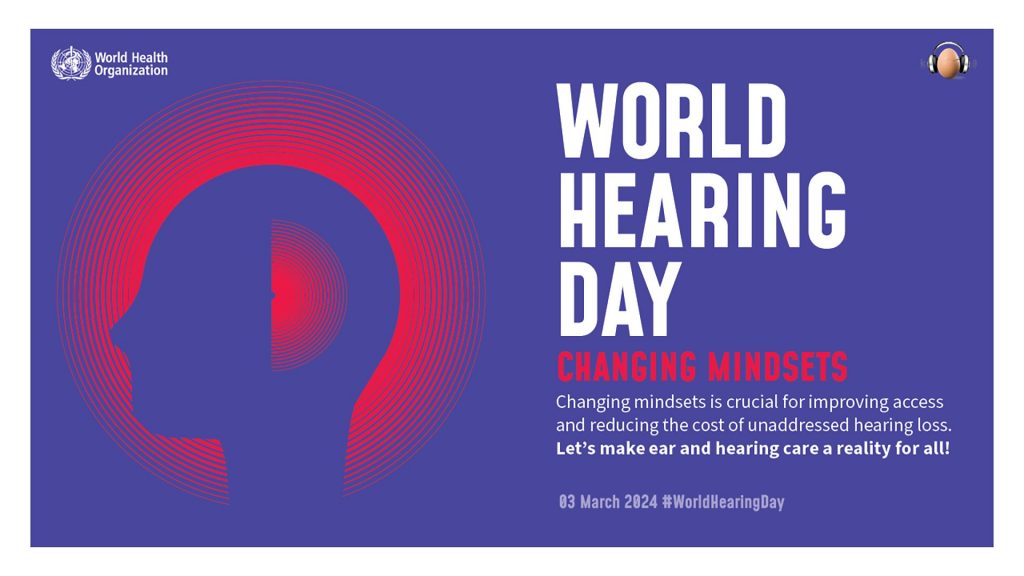
In observance of World Hearing Day, held this year on March 3, U-M Professor Rick Neitzel talks about ways noise pollution can affect your physical health, and how we can keep our ears and hearing safe.
 Exposure Research Lab