
Protecting workers from job-related hazards
Occupational health is the multidisciplinary field dealing with workers’ health, safety, and welfare, focusing on preventing work-related diseases, injuries, and disabilities while promoting wellbeing. Safe workplaces are critical for 3.3 billion workers worldwide.

Drop in work safety inspectors hinders enforcement efforts
The nation’s top workplace safety regulator won’t be able to proactively enforce its rules this year as it grapples with a significant loss in safety inspectors, former agency officials say. Read the article in Bloomberg Law.
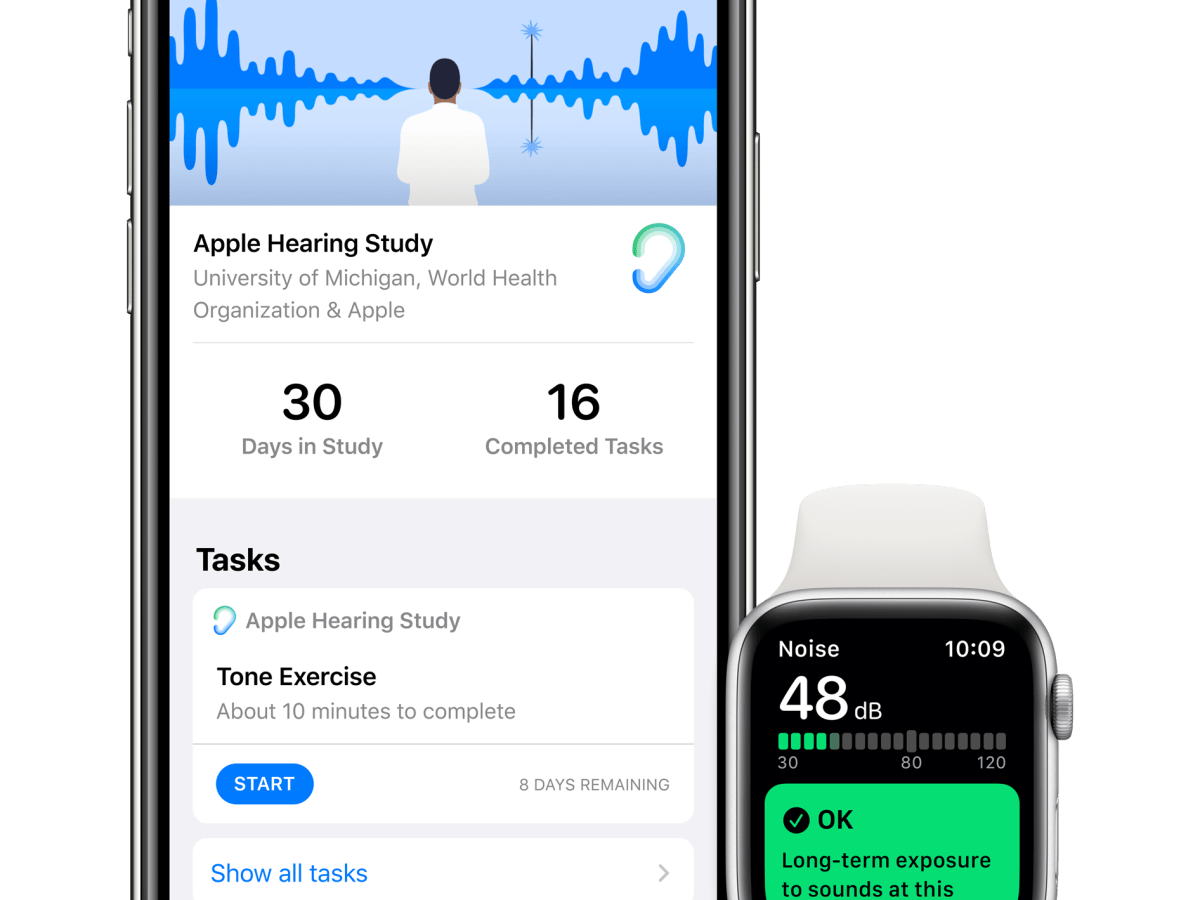
Apple Health Studies part of largest health research effort in history
Apple Health Studies form the largest real-world health research platform ever built, combining iPhone and Apple Watch data with university-led science to study human health at an unprecedented scale.

How Noise Affects our Health
Exposure scientist Rick Neitzel talks with WHYY about noise pollution and its effects on our health. He explains the physiological effects of noise, theories on how it causes harm, and some of the most common sources of damaging sound exposure.

Noise pollution: Another environmental hazard that can kill
Noise is more than just a nuisance. Studies link noise pollution to higher risks of heart attacks, strokes, and other serious health issues. Dr. Rick Neitzel, U-M professor of environmental health sciences, shares his research on noise pollution with KMSU’s Karen Wright.
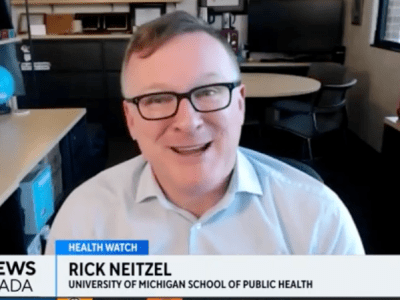
Dr. Rick Neitzel discusses noise pollution and its impact on health
Noise pollution is more than a nuisance. Most people realize that being around loud noises can lead to hearing loss, but research has linked noise pollution to higher risks of heart attacks, strokes, and many other serious health issues.

Collaboration with Apple and WHO studies sound exposure impacts on hearing
A groundbreaking endeavor in hearing health research is being conducted by the U-M School of Public Health in partnership with Apple and the World Health Organization focused on advancing our understanding of how hearing could be impacted over time by exposure to sound at certain levels.
Impact of noise pollution on health
Noise can be harmful to people’s health over time. Dr. Rick Neitzel, U-M professor of Environmental Health Sciences, discusses the impact of noise pollution on health in an interview with KTVN 2 News Nevada.
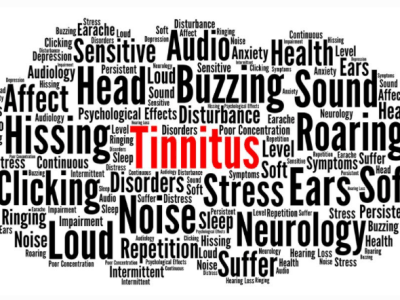
Apple Hearing Study featured in Forbes article on Tinnitus
Most people know tinnitus as ringing in the ears. What sounds like a minor nuisance is, in reality, one of the most widespread but least addressed wellness issues of our time. The need to reframe tinnitus is underscored by the ongoing Apple Hearing Study at the University of Michigan.
Something went wrong. Please refresh the page and/or try again.
 Exposure Research Lab