Academic Research Lab Hazards
August 2021 to present
In academic research and studies, researchers and students are potentially exposed to occupational hazards of various types (e.g., physical, chemical, biological, and psychosocial). Apart from the conventional workplace hazards, it is crucial to recognize that psychological factors, such as excessive workload, harassment, assault, bullying, and more, can also have a significant impact on stress levels, which in turn can contribute to the development of mental health issues. These threats can exist not only in lab and clinical settings but also in real-world (“field study”) settings. However, their impacts on the health and safety of researchers and students appear never to have been proactively investigated and reported. Thus, our focus lies in examining the health and safety of researchers at a large public university.

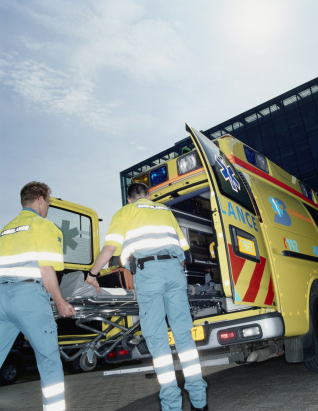
Evaluating Occupational Stressors and Assistive Technologies to Enhance EMS Safety
August 2024 – December 2026
This study examines how heat, noise, psychological stress, and musculoskeletal strain affect emergency medical service (EMS) providers in Saudi Arabia and the United States. Using smartwatch-based noise and heat exposure measurements, validated surveys for psychological stress and musculoskeletal disorders, and heart rate monitoring, the study aims to quantify these occupational stressors and their physiological impact on EMS personnel.
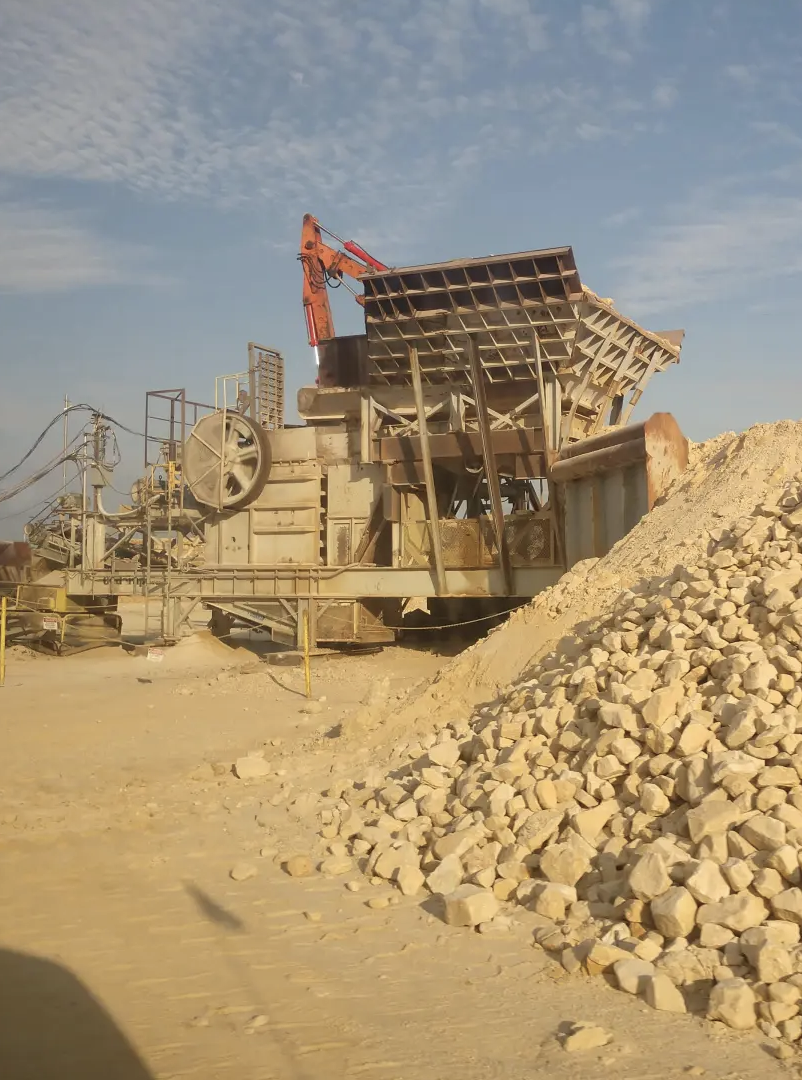
Assessing Noise Exposures, Hearing, and Risk of Injuries Among Miners
2018 – 2020
Occupational injuries represent a tremendous health and economic burden to mine workers and their employers in the US and globally. However, despite this situation, a number of potential injury risk factors have not been adequately explored, including the risk of injury due to noise exposure, hearing loss (HL), and use of hearing protection devices (HPDs). Noise is ubiquitous in mining, and noise-induced HL is one of the most common occupational diseases among miners.
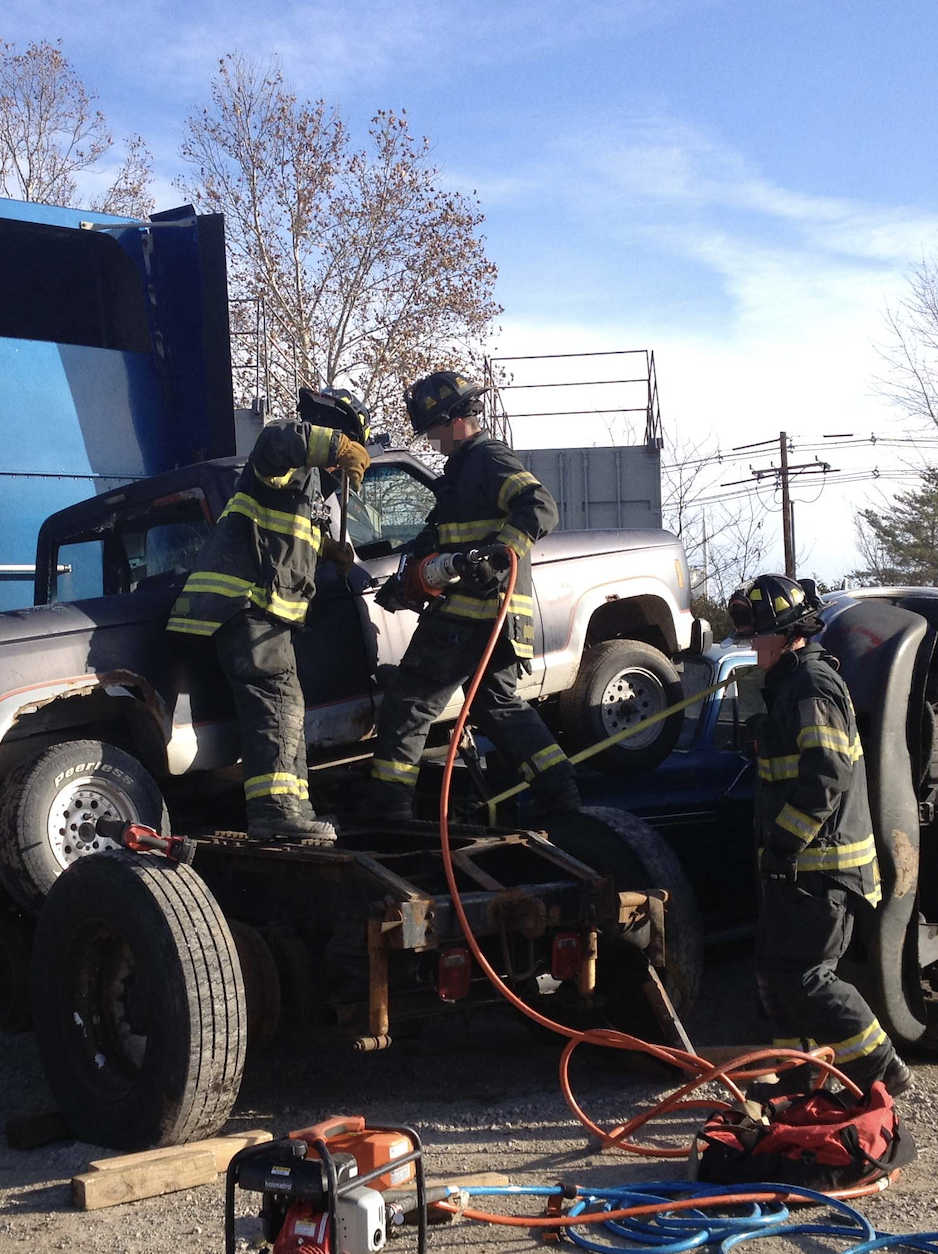
Evaluation of Noise, Stress, and Injury Risk among Firefighters
2014 – 2015
Firefighting is hazardous work, as evidenced by the high rate of injuries and illnesses among firefighters. In particular, firefighters have the potential for simultaneous exposure to high levels of noise, stress, and fatigue, and there is an emerging body of literature that suggests that these exposures may be related to injury risk. Despite the high potential for injury, studies of occupational hazards associated with firefighting often suffer from inadequate exposure assessment.
 Exposure Research Lab